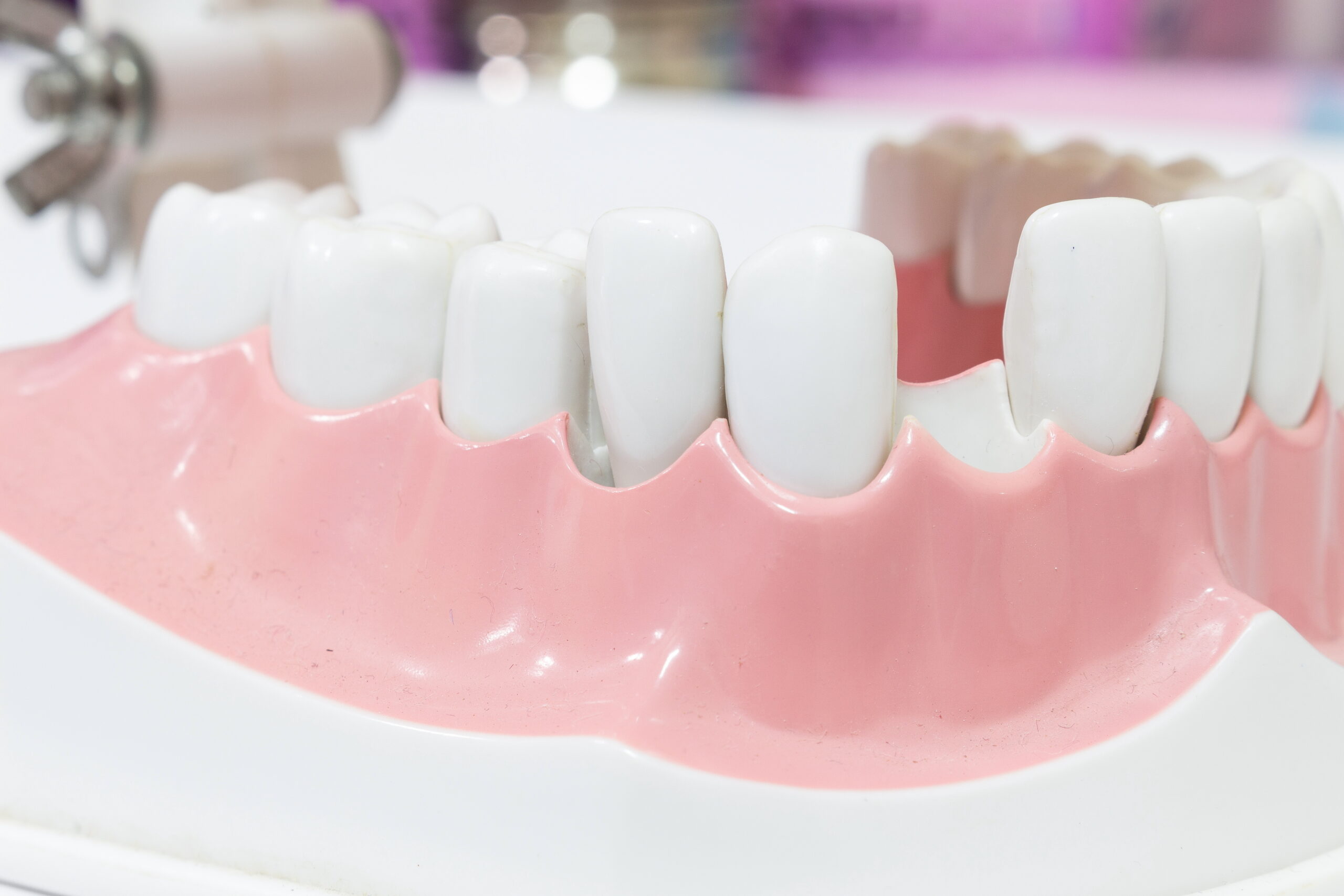
A cracked molar or a lingering ache near a back tooth can leave you wondering exactly what kind of repair that tooth actually needs. Not every damaged tooth calls for the same fix, and the line between a simple filling and a full crown usually comes down to two things: how much healthy tooth structure remains, and how much pressure that tooth absorbs every time you bite down.
At Wenatchee Dental Arts, we walk you through that decision chairside instead of leaving you to guess. Our approach to restorative dentistry starts with a close look at the tooth in question, because the right restoration depends on specifics unique to your mouth, not a one-size-fits-all rule.
What a Filling Repairs
A filling is a conservative, same-day fix for a tooth that still has most of its original structure intact. Once we remove the decayed portion of the tooth, we fill the space with a tooth-colored composite material that bonds directly to the remaining enamel and dentin. For small to moderate cavities, this is often all a tooth needs to function normally again.
Fillings work best when the cavity has not compromised a large portion of the tooth and the remaining walls are still strong enough to withstand normal chewing. According to the National Institute of Dental and Craniofacial Research, dental fillings and crowns do not typically last a lifetime, and the material we choose plays a role in how long a given restoration holds up, which is one more reason we talk through the tradeoffs with you before we begin.
When a Crown Offers More Protection
A crown comes into the conversation when a tooth has lost enough structure that a filling would not hold up to daily biting forces. This happens most often with teeth that have large or multiple old fillings, visible cracks, or teeth that have had root canal therapy, since a tooth without its nerve becomes more brittle over time.
Unlike a filling, a crown covers the entire visible portion of the tooth above the gumline, essentially acting as a protective cap that redistributes chewing force across the whole structure rather than concentrating it on a weakened spot. Molars and premolars, which handle the heaviest bite forces, are especially likely to need this extra reinforcement after significant damage or a root canal.
How We Decide: Filling or Crown
Every tooth tells its own story, so we examine a few specific factors before recommending either option.
- How much of the original tooth structure remains after decay or old restorations are removed
- Whether the tooth shows visible cracks or fracture lines that a filling cannot seal
- The tooth’s location and the bite forces it regularly absorbs
- Whether the tooth has had or will need root canal therapy
Once we have walked through these factors together, we will explain exactly why one option fits your situation better than the other, so you understand the reasoning rather than just the recommendation.
A thorough dental exam gives us the clearest picture of what a tooth needs, which is why we rarely make this call from a single x-ray alone.
Caring for Your Restoration After Treatment
Once we place a filling or a crown, how you care for it in the weeks that follow affects how long it holds up. A new filling is typically ready for normal chewing the same day, while a porcelain crown often needs a short adjustment period as your bite settles around the new surface and any temporary sensitivity fades.
Good oral hygiene matters just as much after treatment as it did before. Brushing twice daily, flossing around the restoration, and keeping up with regular checkups help us catch any shifting or wear early, before it turns into a bigger problem. We will also let you know if your particular restoration calls for anything specific, since a large crown and a small filling do not always need the same follow-up care.
Schedule Your Restoration Consultation at Wenatchee Dental Arts
Dr. John Divis has practiced general and comprehensive dentistry in the Wenatchee Valley since 1993, and that depth of experience shapes how we approach every restoration decision, whether it calls for a filling, a crown, or something in between. We built our practice on getting this right the first time, because a restoration placed with the wrong amount of protection often costs you more time and discomfort down the road.
If you are dealing with a damaged tooth and want a clear answer about which restoration will actually hold up, we invite you to reach out through our contact page to schedule a visit. We will examine the tooth, walk you through what we see, and help you choose the restoration that gives you the best long-term outcome.