If a dull ache at the back of your jaw has turned into swelling, tenderness, or pressure every time you bite down, your wisdom teeth may finally be making their presence known. Wisdom tooth extraction is one of the most common oral surgery procedures, and knowing what happens at each stage can turn a source of anxiety into a simple, manageable appointment.
At Wenatchee Dental Arts, we have helped patients throughout the Wenatchee Valley prepare for and recover from wisdom teeth extractions for more than 30 years. Dr. John Divis has received additional continuing education in oral and maxillofacial procedures, and our team guides you through every step so you always know what will happen next.
Why Wisdom Teeth Often Need to Come Out
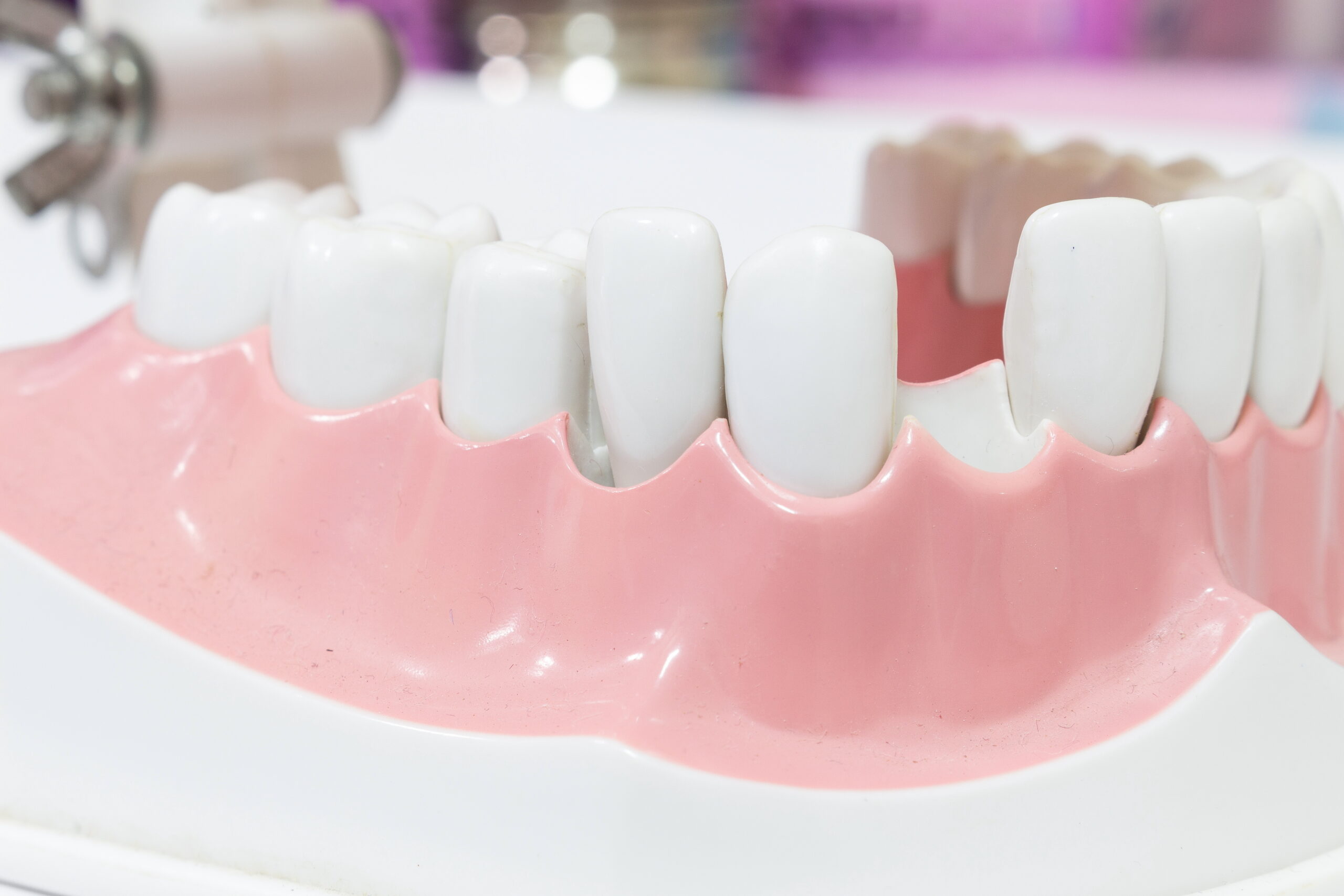
Wisdom teeth, or third molars, typically emerge between the late teens and mid-20s. Because the jaw is often too small to fit these late arrivals, wisdom teeth frequently become impacted, meaning they get trapped beneath the gum or bone, or they erupt at an angle that pushes against neighboring teeth. This crowding can lead to pain, infection, and damage to nearby teeth.
Not every wisdom tooth causes problems, and some people never require removal. When X-rays reveal impaction, decay, or a wisdom tooth crowding your smile, extraction is generally the most reliable way to prevent complications. When you visit us for oral and maxillofacial surgery services, we will review your imaging and help you decide whether removal makes sense for you.
What Happens Before Your Extraction?
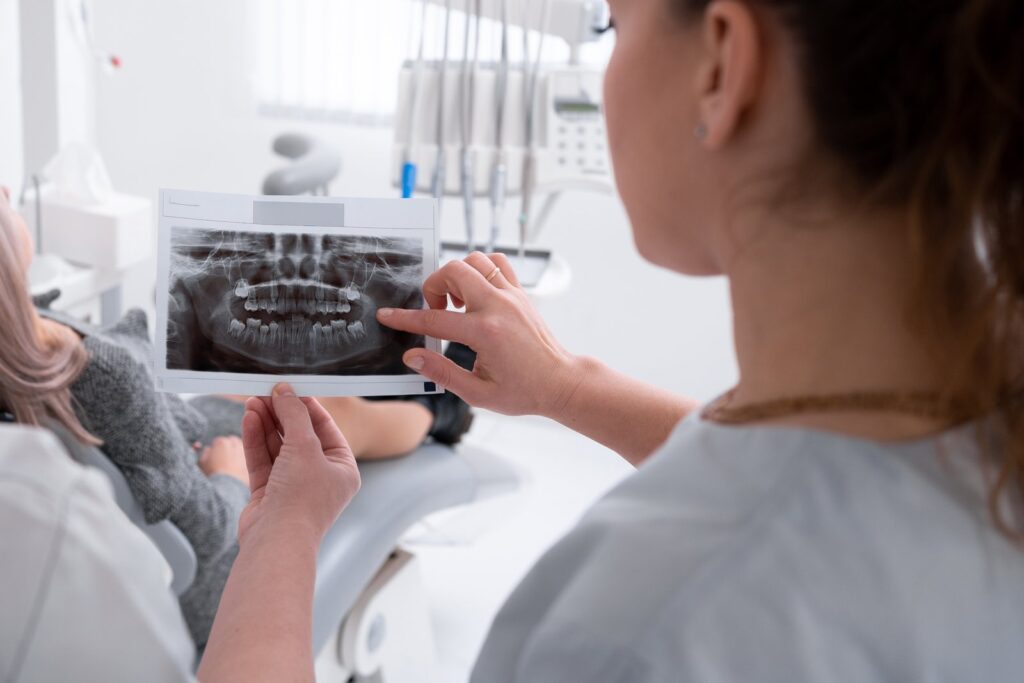
Preparation begins with a thorough evaluation, often including dental X-rays, to assess the position of your wisdom teeth. This helps us anticipate whether a tooth is fully erupted, partially impacted, or completely trapped beneath the gumline, because each scenario calls for a slightly different approach.
For patients who feel anxious about oral surgery, our IV sedation services can help you stay relaxed throughout the appointment. Dr. Divis completed in-hospital sedation training through the Society for the Advancement of Anesthesia in Dentistry and holds a permit to provide moderate IV sedation. You will also want to arrange for a trusted friend or family member to drive you home, as sedation can leave you drowsy for a while afterward.
What Happens During the Procedure?
Once you are comfortable, we numb the area with a local anesthetic so you do not feel pain, and if you have chosen sedation, we administer it as well. If a tooth is impacted, we may remove a small amount of surrounding bone or divide the tooth into sections so it comes out with minimal disruption to nearby tissue.
After the teeth are removed, we clean the socket, close the gum with dissolvable stitches when necessary, and place gauze over the site. Biting down gently on the gauze helps stop the bleeding and allows a protective blood clot to form in the socket.
What to Expect During Recovery
Mild swelling and discomfort are common as the numbness wears off, and we will recommend pain relievers to keep you comfortable. According to the National Library of Medicine, the socket typically takes one to two weeks to heal.
Here is what typically helps during the first several days:
- Rest: Avoid heavy physical activity for the first couple of days.
- Cold compresses: Apply a cold pack wrapped in a towel to your cheek for 10 to 20 minutes at a time to ease swelling.
- Soft foods: Choose items like yogurt, mashed potatoes, soup, and bananas, and avoid hard or crunchy foods for one week.
- Gentle rinsing: Wait about three days before rinsing, or follow the specific instructions we give you.
- No straws: Skip straws for at least 24 hours, because suction can dislodge the blood clot and cause a painful condition called dry socket.
Our guide on how to avoid dry socket after a tooth extraction offers more tips for protecting the site. Call our office right away if you notice severe swelling, a fever, or excessive bleeding several hours after your extraction.
Why Choose Our Wenatchee Practice for Your Extraction
Our practice has served the Wenatchee Valley for more than three decades. Dr. John Divis holds a fellowship with the Academy of General Dentistry and continues to pursue additional education in oral surgery.
We are independently owned, so your care is shaped around what you envision for your smile and your comfort. Dr. Divis has provided sedation dentistry for hundreds of people, and our Spanish-speaking staff members are available to make sure every patient feels heard and understood.
Schedule Your Wisdom Tooth Consultation With Wenatchee Dental Arts
Whether you are noticing early signs of impaction or already know it is time to have your wisdom teeth removed, our team is ready to guide you through a comfortable and thoughtfully prepared procedure. We explain every step clearly so you feel confident walking into your appointment.
If you are ready to talk about your options or schedule an evaluation, reach out through our contact form, and our team will help you find a time that works for your schedule.